20 May Latex Free – Polyurethane Backed Artificial Grass For Dogs
Latex free – polyurethane backed artificial grass for dogs
Artificial grass ‘backing’ is the final outside layer on the bottom of the synthetic turf that sits on top of the sand or drainage base.
The backing holds the grass blades in place, preventing them being pulled out and gives the grass strength and durability.
2 types of backing are available for synthetic turf – latex or polyurethane.
Emma explains the difference, and which she believes is better for dogs.
What is latex?
Latex is a nasty tasting, sticky sap produced by plants to stop herbivores and insects eating them. It consists of proteins, alkaloids, starches, sugars, oils, tannins, resins, and gums that coagulate on exposure to air and help repair the plant.
The term “latex” refers to the protein in the sap of the Brazilian rubber tree (Hevea brasiliensis). It also refers to “natural rubber products” made from that sap.
Natural latex is used to make mattresses, gloves, swim caps, condoms, catheters and balloons.
Latex from the chicle and jelutong trees is used in chewing gum.
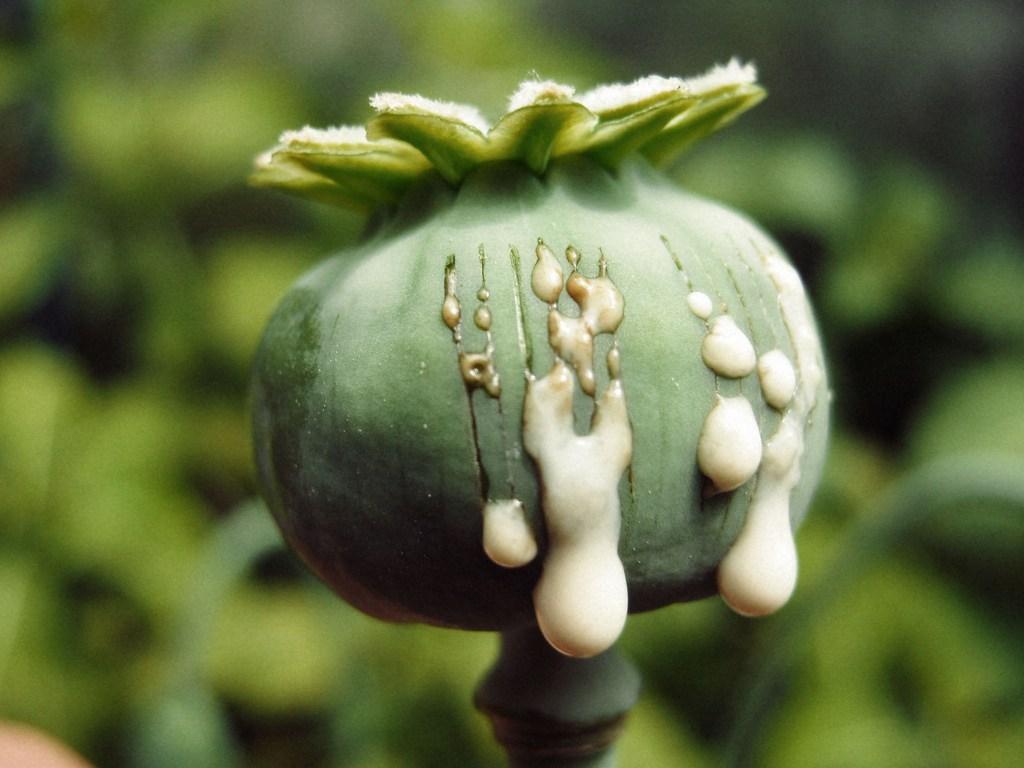
Dried latex from the opium poppy is called opium!
Synthetic latex is made from crude oil and a squillion additional chemicals.
It’s used in coatings (e.g. latex paint) and glues because they solidify as the water evaporates, and therefore can form films.

A film of latex is added to the artificial grass carpet during manufacture. The grass rolls under a dispenser that spreads a coating of latex onto the underside, whilst a secondary backing is also coated with latex and then cured with heat.
In the UK almost all artificial grass has a latex backing of varying quality.
In the USA – birthplace of artificial grass – latex is rarely used as a synthetic turf backing as it’s not considered able to withstand moisture and the seasonal temperature changes without degrading.
Latex and allergies
Latex was invented by plants to repel, poison and immobilise things that want to eat them, needless to say it’s nasty stuff which can cause an allergic reaction in many people and dogs.
Emma, the owner of Top Dog Turf has a Type 1 latex allergy which gives her severe asthma like symptoms if we have cheap latex grass samples in the office!
Dog’s that are allergic to their latex toys or artificial grass tend to show contact dermatitis symptoms rather than breathing problems.

Read more at:https://www.vetary.com/dog/condition/latex-allergies
Latex and dog wee
While we’re giving latex a hard time for making us itch and wheeze, at Top Dog Turf we also believe it plays a large part in the build-up of urine odour in artificial grass.
WHY?
Latex expands and contracts with seasonal temperature and moisture changes it starts to crack, flake and degrade. As it ages it absorbs moisture and the pong producing uric acid crystals from dog wee.
The uric acid seeps into any tiny cracks in the latex and become lodged, making it impossible to wash them out and remove the smell.
Over time, the artificial grass backing becomes saturated with uric acid until the smell is intolerable for the home owner, their dog and their neighbours.
Rubber shock pad, the safety surface for children used under artificial grass quickly becomes hellish if dogs urinate on it! The stink is eye wateringly dreadful.
What is polyurethane?
Polyurethanes are a creation of America’s World War II science and technology boom.
Widespread use of polyurethanes was first seen during World War II, when they were utilised as a replacement for rubber, which at the time was expensive and hard to obtain. During the war, other applications were developed, largely involving coatings of different kinds, from aeroplane finishes to resistant clothing.
Polyurethanes are polymers and best thought of as chains of three-dimensional structures made up of long, repeating smaller units called monomers.
Other well-known polymers include nylon, silicon, polyethylene, polypropylene and polystyrene.
Why is it better?
The durability, corrosion resistance and weather resistance of polyurethanes makes them suitable for coating all kinds of surfaces.
Applications range from concrete constructions like bridges and motorway structures, to steel railway carriages and wooden furniture.
Sports shoes and trekking footwear that need to be tough, light weight and waterproof are made from polyurethane, as are water and air sealants and gaskets for car engines.
Most of the synthetic turf made in the USA has a polyurethane backing. It creates a very strong, durable product that doesn’t absorb anything, isn’t degraded by rain, freezing temperatures or dogs peeing on it.
Our PU Grass
All the artificial grass we supply and install at Top Dog Turf has a polyurethane backing and is 100% latex free
It’s not that we don’t love latex, it just that we don’t love dog wee smells.
We believe that polyurethane backed artificial grass is stronger and less absorbent than latex backed artificial grass and better for our dog owning customer’s gardens.
Find out more HERE about our lovely latex free artificial grass.